Decisions Your house West side
What do west side winters and summers ask of your house?
Updated . Sources checked November 3, 2026.
West side heating and cooling starts from NOAA's numbers: Sea-Tac's January low averages 37.7F, with no days at or below zero, and its July high averages 77.4F. So heat is the larger job here. Summer is short but no longer safe to ignore, because Sea-Tac reached 108F on June 28, 2021.

What to decide, in this order
Ductless heat pump or keep the baseboard heaters?
The core west side question, since electric heat is so common and rebates favor it.
- Ductless heat pump, baseboards stay
- West side electric homes with an open main living area
- Baseboards alone
- Small or lightly heated homes, or homes that lean on wood
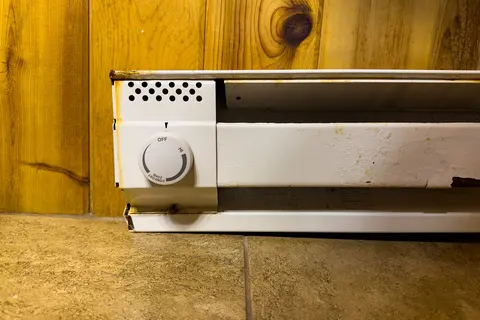
New gas furnace or heat pump on the West side?
A gas house with a mild climate, and a gas price that jumped in 2025.
- New gas furnace
- Furnace has failed, cooling isn't wanted, and budget is tight
- Heat pump
- Cooling matters, or an income-qualified PSE gas rebate is on the table
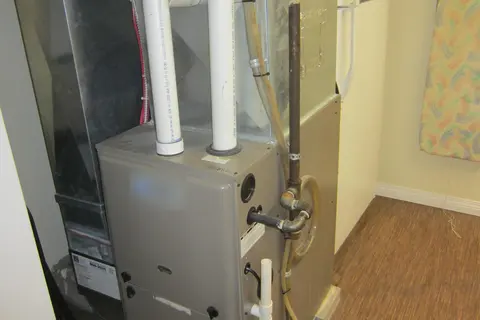
Replace the electric furnace, or put a heat pump on the ducts?
Existing ducts plus resistance heat make a large target for savings.
- Ducted heat pump
- Sound ducts and a furnace near the end of its life
- Ductless, furnace stays
- Furnace still works and the main room is the priority
- New electric furnace
- Only when a heat pump truly can't fit the house
Your furnace is fine but you have no AC: AC or heat pump?
If the furnace is fine and the house has no cooling, this is the first thing to settle.
- Central AC
- You want only summer cooling, and a bid shows a clear gap
- Heat pump, furnace stays
- You want cooling plus a second heat source for mild days
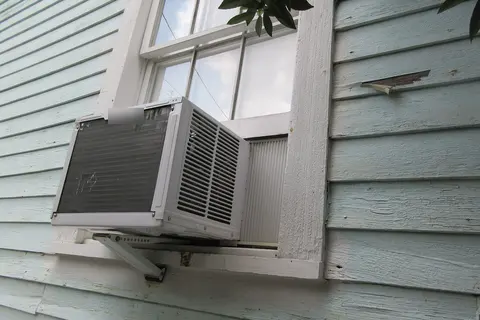
Window AC or a ductless heat pump for your house?
A low-commitment answer to a few hot weeks, and what it leaves undone.
- Window AC
- One or two rooms, a small budget, cooling only
- Ductless heat pump
- Electric heat you also want to cut, a long stay
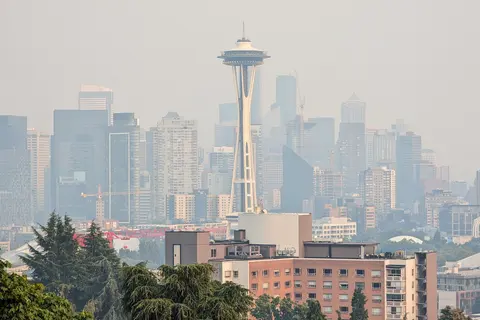
Windows open or closed when it's smoky and hot?
Smoke and heat can arrive together, and the usual evening habit may not work.
- Keep them closed
- Smoke outside, safe temperature inside
- Open when the air improves
- A clean break in the smoke, even a short one
- Go somewhere cooler
- Too hot to stay safe, or too much smoke indoors
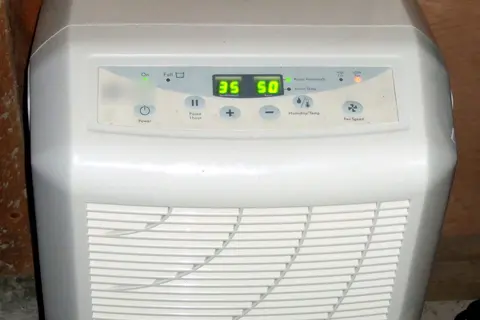
Dehumidifier or more ventilation for a damp Washington house?
West side damp shows up on windows and in basements.
- Dehumidifier
- A closed basement or room that stays above 60 percent
- More ventilation
- Steamy bathrooms and moisture made by daily living upstairs
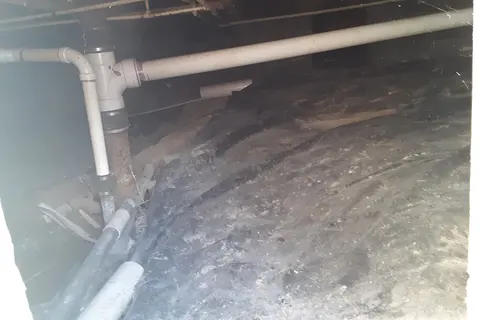
Should a Washington crawlspace stay vented or be sealed?
Washington's code default and why the marine climate matters.
- Stay vented, finish the ground cover
- Most existing houses with clear vents and no standing water
- Seal it (unvented)
- A designed project that meets the radon and exhaust rules
West side normals, with Spokane for contrast
| NOAA 1991-2020 normal | Sea-Tac | Bellingham | Spokane |
|---|---|---|---|
| January low | 37.7F | 34.0F | 24.7F |
| January high | 48.0F | 46.3F | 34.5F |
| July high | 77.4F | 72.7F | 84.4F |
| Heating degree days a year | 4,375.8 | 5,110.2 | 6,462.6 |
| Cooling degree days a year | 265.0 | 75.2 | 514.6 |
| Days of 90F or more a year | 3.8 | 0.4 | 20.8 |
| Days with a low of 0F or below | 0.0 | 0.0 | 2.2 |
Sources: NOAA normals for Sea-Tac, Bellingham and Spokane. Normals are 30-year averages at airports. They do not show a heat wave, a hillside or a house near the water.
Why does electric heat dominate the west side decision?
Because it is common and the savings are measured. EIA counts electricity as the main heating fuel in 55% of Washington homes statewide. In the NEEA field metering of 2008 and 2009, ductless heat pumps in Puget Sound homes averaged a seasonal COP of 3.05, or about three units of heat per unit of electricity.
On our running-cost table, that works out to $11.43 per million Btu delivered against $34.87 for baseboard, at 2024 statewide prices. That is our arithmetic, and it ignores your own utility's rate.
Metered homes also kept using their old heat, so a ductless unit serves the main living area and does not replace every baseboard. Most west side utility rebates are written for this situation. Check yours on the utility comparison.
Is cooling worth planning for on the west side?
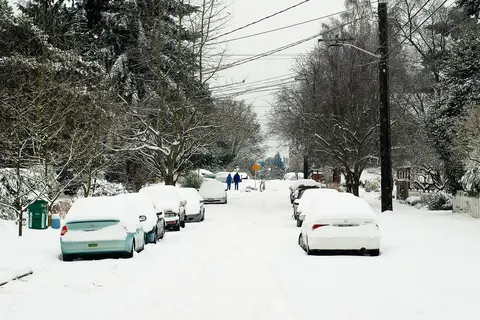
Yes, because the risk is rare and severe. Sea-Tac hit 102F, 104F and 108F on June 26, 27 and 28, 2021. The state counted 157 heat-related deaths statewide reported from June 26 to August 31 that year.
Daily demand stays small, though. Metered cooling use in Puget Sound homes with ductless units was 72 kWh a year in that pilot, so a west side cooling choice is about safety on a few days more than about summer bills. A heat pump covers both jobs. For a house that stays with its current heat, see whether a fan is enough and the one cool room option.
What does the damp change?
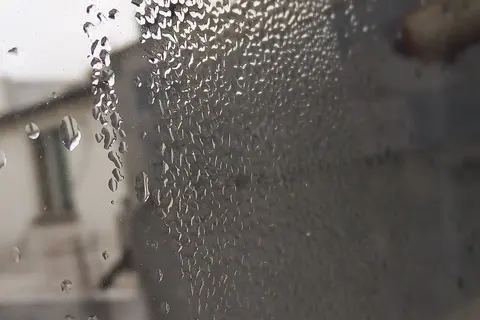
It adds moisture to the list. EPA says to keep indoor humidity below 60 percent, ideally 30 to 50. A $10 to $50 meter tells you where you stand. Under the floor, a Building America article by WSU authors says that in the marine climates of the Northwest, "vented crawl spaces work acceptably most of the time". The crawlspace hub covers the rest.
What people ask next
Does Bellingham need a different system from Seattle?
It asks for more heat and far less cooling: about 5,110 heating degree days against 4,376, and 0.4 days of 90F or more a year against 3.8, per NOAA normals. Sizing should come from a Manual J load calculation for the house, not the city.
Decide next
Ductless heat pump or keep the baseboard heaters?
- Ductless heat pump, baseboards stay
- West side electric homes with an open main living area
- Baseboards alone
- Small or lightly heated homes, or homes that lean on wood
New gas furnace or heat pump on the West side?
- New gas furnace
- Furnace has failed, cooling isn't wanted, and budget is tight
- Heat pump
- Cooling matters, or an income-qualified PSE gas rebate is on the table
Take a rebate now or wait for better money?
- Take what is open now
- Anyone with a failing system or a utility offer that fits
- Wait for HARP and HOMES
- A working system, income under 150% AMI, and no deadline
Where this came from
- NOAA NCEI: monthly normals, Sea-Tac, checked November 3, 2026.
- NOAA NCEI: annual normals, Sea-Tac, checked November 3, 2026.
- NOAA NCEI: annual normals, Bellingham, checked November 3, 2026.
- NOAA NCEI: annual normals, Spokane, checked November 3, 2026.
- NWS: NOWData, Seattle area, Sea-Tac daily data, checked November 3, 2026.
- Washington DOH: excess deaths during the heat dome, checked November 3, 2026.
- EIA: RECS 2020 space heating fuels by state, checked November 3, 2026.
- NEEA: ductless heat pump field metering report, checked November 3, 2026.
- ENERGY STAR: ductless heating and cooling, checked November 3, 2026.
- EPA: a brief guide to mold, moisture and your home, checked November 3, 2026.
- Building America, WSU authors: crawl spaces, checked November 3, 2026.