Decisions Your house Both sides
What are your choices in a house heated with oil?
Updated . Sources checked November 3, 2026.
An oil-heated Washington house has two decisions, what heats it next and what happens to the tank, and the second cannot wait forever. Heating oil cost $6.233 a gallon as the U.S. weekly average for October 26, 2026. Real conversion money, as of November 2026, is concentrated in Seattle.
What to decide, in this order
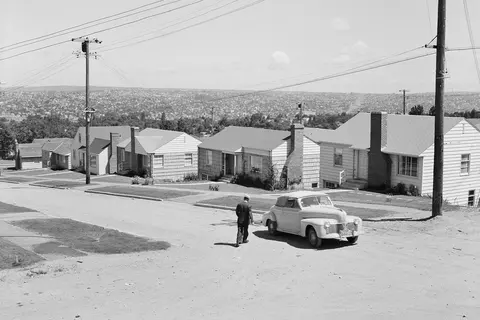
Stay on heating oil, or switch to a heat pump?
The main decision, with the money that exists and where it runs out.
- Stay on oil for now
- A sound newer furnace and no tank trouble
- Switch to a heat pump
- Seattle homes eligible for Clean Heat, and homes with worn oil furnaces
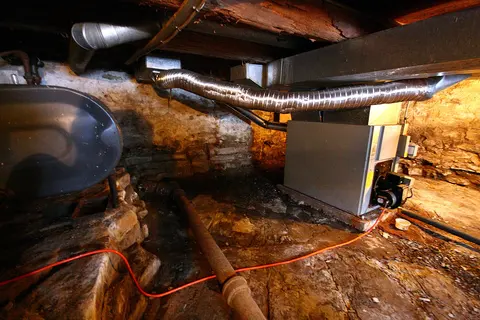
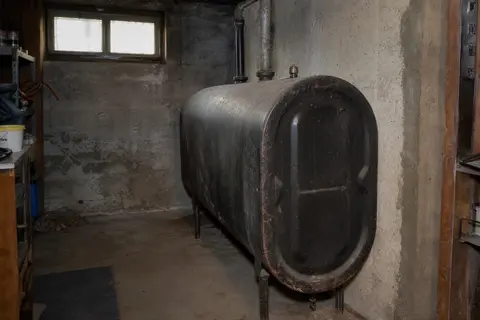
Should an old heating oil tank be removed or closed in place?
Remove or close in place, who may do it, and what a home sale asks.
- Remove the tank
- A suspected leak, or a tank you won't leave for the next owner
- Close it in place
- No leak suspected, and the decommissioner and fire marshal both allow it
Take a rebate now or wait for better money?
Seattle's bonus has a deadline, so this one has a date on it.
- Take what is open now
- Anyone with a failing system or a utility offer that fits
- Wait for HARP and HOMES
- A working system, income under 150% AMI, and no deadline

Should you repair your furnace or AC, or replace it?
What to weigh when an old furnace needs a part.
- Repair it
- Younger equipment, one clear fault, sound ducts
- Replace it
- Older equipment, repeat faults, or rooms that never felt right

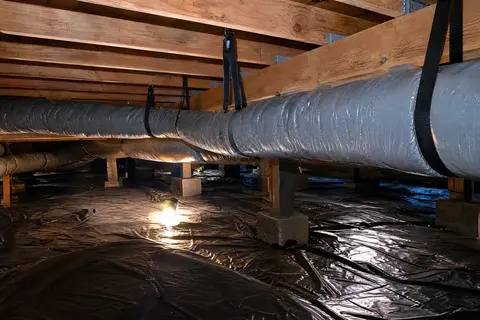
Should you seal your ducts or replace them?
A heat pump may reuse the ducts, if they are worth keeping.
- Seal and insulate
- Ducts that are whole but leak at joints and seams
- Replace the runs
- Torn, crushed or disconnected runs, or a new system that needs different ducts
Who pulls the permit: your contractor or you?
Tank work and heat pump work need different people and permits.
- Contractor pulls it
- Heat pump, AC, gas, oil tank and any contractor-wired job
- You pull it
- Rare: only work you are lawfully doing yourself

What does oil heat cost against the alternatives?
It sits near the top of the table. EIA's 2024 Washington price for distillate fuel oil was $26.10 per million Btu, which our running-cost table turns into $31.45 of delivered heat at the federal minimum 83% rating. A Puget Sound ductless unit comes to $11.43 by the same arithmetic. Both are our figures at statewide averages. EIA's weekly survey has no Washington row, so the $6.233 above is a national number.
What money exists for leaving oil?
Seattle has the only full offer, with little elsewhere. Seattle's Clean Heat program gives a $2,000 instant rebate for switching to a qualifying heat pump from the program's list. Households at 81% to 150% of area median income can add a $4,000 bonus, up to $6,000 in total, for installations completed by May 30, 2027. Below the lower income limit, the page says a household may get a free heat pump, installation and tank decommissioning. The city says about 6,000 oil-heated households remain.
Elsewhere, Tacoma Power lists $1,000 for a variable-speed system replacing non-electric heat. No PSE oil conversion rebate was seen in archived copies of its pages, so confirm with the utility. The state's HEAR rebates run through local administrators at 150% of area median income or less, with no statewide amount. We found no official installed-price figure for a conversion or a tank job, so get written bids for each.
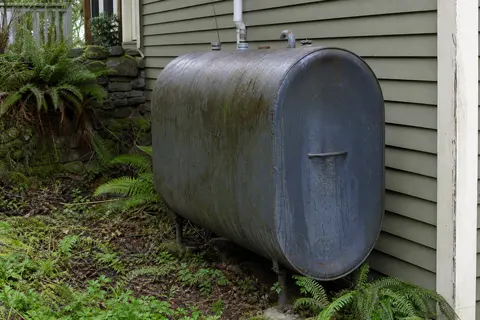
What has to happen to the tank?
It has to be dealt with by certified people, and that is not a project for you. Most local fire codes follow a rule that tanks out of service a year or more must be removed or permanently closed in place (PLIA, archived copy, March 2025). Seattle's fire department requires a permit issued to the person doing the work and an ICC-certified decommissioner.
The old state insurance is over. PLIA's loan and grant program replaced it (archived copy, October 2026), with grants that "aren't based on income" and cycles in spring and fall (archived copy, July 2025). Amounts on PLIA's pages are from older captures, so confirm with the agency. Ecology says it does not regulate home heating oil tanks and sends people to PLIA.
Selling? The state seller disclosure, Form 17, asks about fuel storage tanks and contaminated soil or water.
What if you suspect a leak?
Call for help right away. An oil odor, oil dropping faster than you expect, or a furnace that stops are all reasons to call. Stop automatic deliveries and have your oil dealer pump out the tank. Report it right away, within 24 hours, to Ecology by its regional contact or online form (PLIA guide, archived copy, 2025). For an emergency or oil reaching water, the guide gives Washington Emergency Management at 1-800-258-5990. In Seattle, the city flyer lists 1-800-OILS-911. Never pump or remove a tank yourself.
What about the old furnace meanwhile?
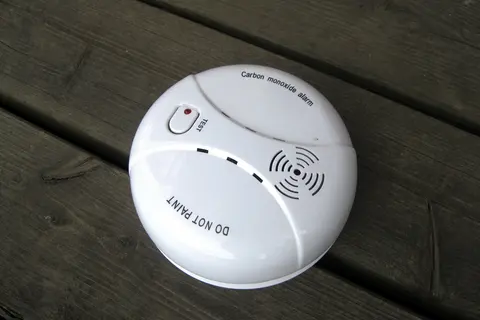
Keep it serviced and leave its old parts alone. DOH says oil appliances should be checked yearly by a trained professional, and CDC wants a CO detector near every sleeping area. If a CO alarm sounds, get everyone out first and call 911 from outside. EPA lists old oil furnaces and door gaskets with asbestos insulation as a concern when disturbed, so leave removal to a professional.
Decide next
Stay on heating oil, or switch to a heat pump?
- Stay on oil for now
- A sound newer furnace and no tank trouble
- Switch to a heat pump
- Seattle homes eligible for Clean Heat, and homes with worn oil furnaces
Should an old heating oil tank be removed or closed in place?
- Remove the tank
- A suspected leak, or a tank you won't leave for the next owner
- Close it in place
- No leak suspected, and the decommissioner and fire marshal both allow it
Where this came from
- EIA: weekly heating oil and propane prices, checked November 3, 2026.
- EIA: SEDS Washington residential prices, checked November 3, 2026.
- City of Seattle: Clean Heat program, checked November 3, 2026.
- City of Seattle: oil-free city milestone, checked November 3, 2026.
- Tacoma Power: heat pump rebates, checked November 3, 2026.
- Washington Commerce: HEAR, checked November 3, 2026.
- PLIA: home page, archived copy October 2026, checked November 3, 2026.
- PLIA: insurance program transition, archived copy July 2025, checked November 3, 2026.
- PLIA: tank decommissioning, archived copy March 2025, checked November 3, 2026.
- PLIA: guide to reporting releases, archived copy 2025, checked November 3, 2026.
- Seattle Fire Department: decommissioning oil tanks, checked November 3, 2026.
- City of Seattle: oil tank flyer, checked November 3, 2026.
- Washington Ecology: cleanup situations for homeowners, checked November 3, 2026.
- RCW 64.06.020: seller disclosure, checked November 3, 2026.
- Washington DOH: carbon monoxide, checked November 3, 2026.
- CDC: carbon monoxide, checked November 3, 2026.
- EPA: learn about asbestos, checked November 3, 2026.