Decisions Your house Both sides
What are your choices in a house with electric baseboards?
Updated . Sources checked November 3, 2026.
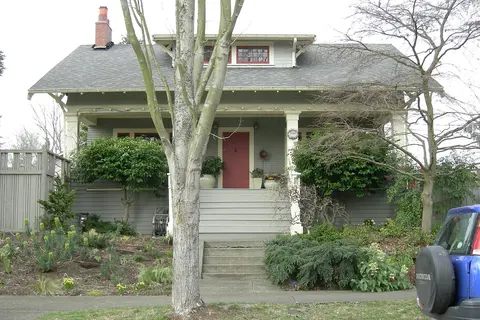
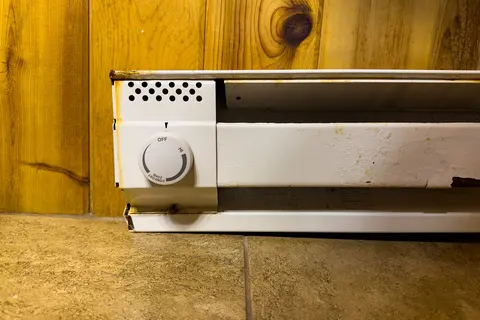
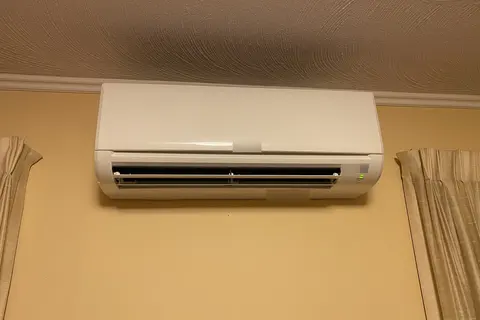
A Washington house with electric baseboards has the most rebate options of any starting point, because nearly every utility heat pump offer requires existing electric heat. A baseboard makes one unit of heat per unit of electricity, and metered ductless units made about three. The common move adds ductless to the main living area and keeps the baseboards elsewhere.
What to decide, in this order
Ductless heat pump or keep the baseboard heaters?
The first decision: add a ductless unit or stay with what you have.
- Ductless heat pump, baseboards stay
- West side electric homes with an open main living area
- Baseboards alone
- Small or lightly heated homes, or homes that lean on wood
One ductless head or one in each problem room?
Baseboard houses have closed doors and back rooms, and one head cannot reach them all.
- One head
- Open plan, short hallway, and baseboards kept for the far rooms
- Several heads
- Closed-off rooms that stay cold or that you heat with plugged-in heaters
Ductless or ducted heat pump for this house?
Worth asking if the house has no ducts and you dislike wall units.
- Ductless
- No ducts, or ducts in poor shape, with baseboards to cover far rooms
- Ducted
- Sound ducts already reaching every room, often from an old furnace
Space heater or another ductless head for the cold back room?
Cold back rooms tempt people to plug something in.
- Space heater
- Short, occasional use in a room you're in and awake
- Wall baseboard
- A room that already has a working baseboard
- Another head
- A room in nightly use all winter
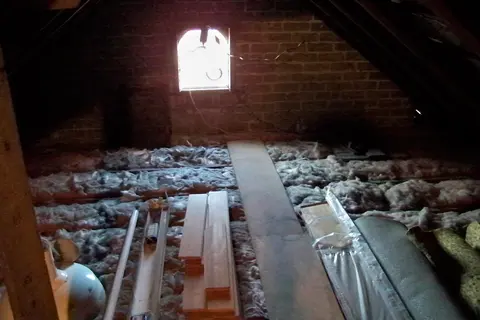
Should you insulate first or replace the equipment first?
Electrically heated homes get insulation rebates too, so the order matters.
- Insulate and seal first
- A working system in a house with a thin attic or leaks
- Equipment first
- A failed system, or a baseboard house already well insulated
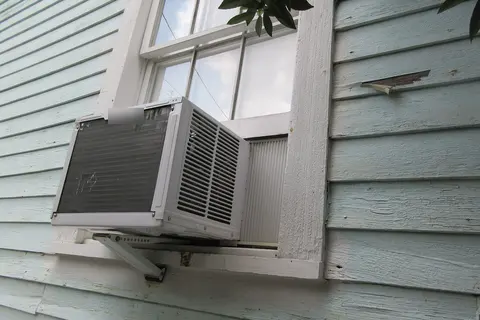
Window AC or a ductless heat pump for your house?
If summer heat is the reason you are looking, the same unit may cover winter.
- Window AC
- One or two rooms, a small budget, cooling only
- Ductless heat pump
- Electric heat you also want to cut, a long stay
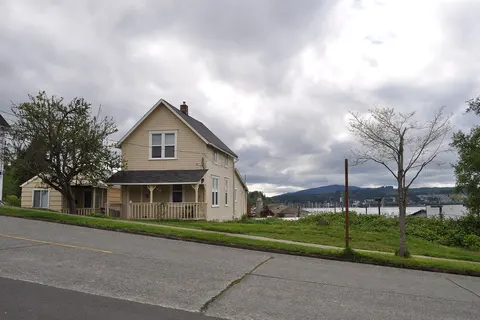
Take a rebate now or wait for better money?
Local offers, income rules and programs that have not launched.
- Take what is open now
- Anyone with a failing system or a utility offer that fits
- Wait for HARP and HOMES
- A working system, income under 150% AMI, and no deadline

What did meters find in baseboard houses?
They found real savings, and old heat that kept running. In NEEA's pilot of homes with zonal electric heat, metered total savings averaged 3,812 kWh a year in Puget Sound and 3,264 in the Inland Empire. Units went into main living zones, and the electric heat stayed in place.
After the install, Puget Sound homes still used 2,400 kWh a year of resistance heat alongside 1,978 kWh of ductless heat. Heat moves toward adjacent bedrooms as the unit's setting rises, but some households kept bedroom thermostats low. Billing records from 3,621 sites show smaller space heating savings: 1,677 kWh in Puget Sound and 792 in the Inland Empire. Homes that also burned another fuel saved far less, 747 kWh against 2,718.
ENERGY STAR puts the difference at "up to 60% less energy than standard home electric radiators," and warns that heat is "impossible to move through a closed" door. On our running-cost table, baseboard comes to $34.87 per million Btu delivered and a Puget Sound ductless unit to $11.43, at 2024 statewide prices. That is our arithmetic, not a bill.
What rebates are open to a baseboard house?
Most of them, depending on your utility and as of November 2026. Three examples:
- Puget Sound Energy: a $1,500 rebate and a $2,400 Efficiency Boost rebate based on income, with a PSE Trade Ally or Recommended Energy Professional required (archived copy, May 2026). Confirm with the utility.
- Tacoma Power: ductless $1,000 for up to 4 units, $650 for 5 or more, through a participating contractor.
- Clark Public Utilities: ductless $900, single or multi-head, with self-install not eligible.
The rest are on the utility comparison. We found no official installed-price figure, so get written bids.
What about the cold back bedroom?
Plan for it before you buy, because that is where a single unit falls short. BPA's study of forced-air homes found many occupants used a 120-volt heater in a back room. If you do plug one in, follow CPSC: at least three feet from anything that can burn, and plugged directly into a wall outlet. USFA adds: "Turn space heaters off when leaving the room or going to bed." Keeping the room's baseboard working is the other answer, and our page on another head or a space heater compares them.
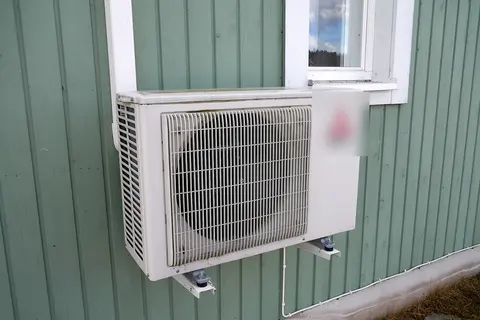
Licensed contractors install ductless units. Your part is limited to clearing around the outdoor unit, cleaning filters and checking a breaker.
What people ask next
Do I have to remove my baseboards to get a rebate?
The metered pilot left them in place, and we found no removal condition in the electric-heat offers on the utility comparison. Check your utility's terms, since each sets its own.
Decide next
Ductless heat pump or keep the baseboard heaters?
- Ductless heat pump, baseboards stay
- West side electric homes with an open main living area
- Baseboards alone
- Small or lightly heated homes, or homes that lean on wood
One ductless head or one in each problem room?
- One head
- Open plan, short hallway, and baseboards kept for the far rooms
- Several heads
- Closed-off rooms that stay cold or that you heat with plugged-in heaters
Where this came from
- NEEA: ductless heat pump field metering report, checked November 3, 2026.
- NEEA: ductless heat pump billing analysis, checked November 3, 2026.
- ENERGY STAR: ductless heating and cooling, checked November 3, 2026.
- PSE: electric resistance to heat pump rebate, archived copy May 2026, checked November 3, 2026.
- Tacoma Power: heat pump rebates, checked November 3, 2026.
- Clark Public Utilities: ductless heat pump program, checked November 3, 2026.
- BPA: ductless heat pumps in forced-air homes, checked November 3, 2026.
- CPSC: space heater warning, checked November 3, 2026.
- USFA: heating fire safety, checked November 3, 2026.