Decisions Your house Both sides
What are your choices in a house with a gas furnace?
Updated . Sources checked November 3, 2026.
A gas furnace house in Washington usually has time, because a working furnace forces no decision until it or the air conditioner wears out. ENERGY STAR treats a furnace over 15 years old or an AC over 10 as a prompt to evaluate, not an order to replace. Know your options before the failure, since a no-heat day is a poor time to shop.
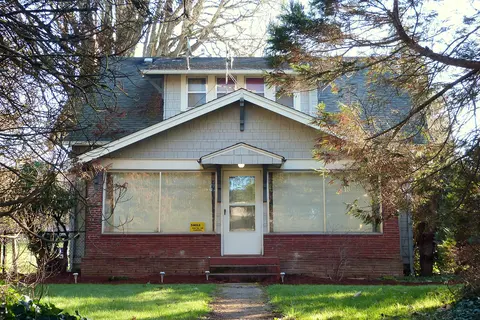
What to decide, in this order
New gas furnace or heat pump on the West side?
The west side version: mild winters and a gas price that has moved.
- New gas furnace
- Furnace has failed, cooling isn't wanted, and budget is tight
- Heat pump
- Cooling matters, or an income-qualified PSE gas rebate is on the table
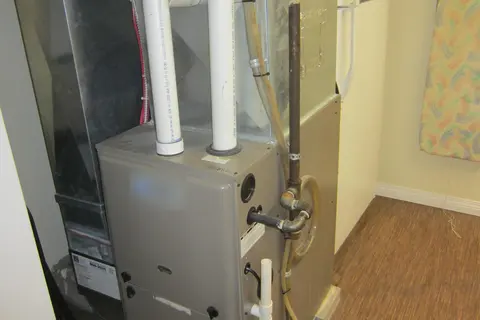
Should a Spokane house have a furnace or a heat pump?
The east side version, where the cold is a real test.
- Gas furnace
- Gas homes replacing a failed furnace, with little interest in summer cooling
- Heat pump with back-up
- Electric-heat homes, and gas homes that also want cooling
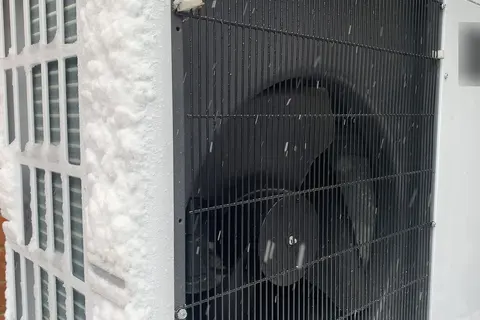
Dual fuel or all electric: which heat pump setup fits your house?
Keep the furnace as back-up and add a heat pump where the AC would go.
- Dual fuel (heat pump plus furnace)
- Houses with a gas furnace that is still relatively new
- All electric (heat pump plus electric back-up)
- Houses with no gas, or a furnace at the end of its life
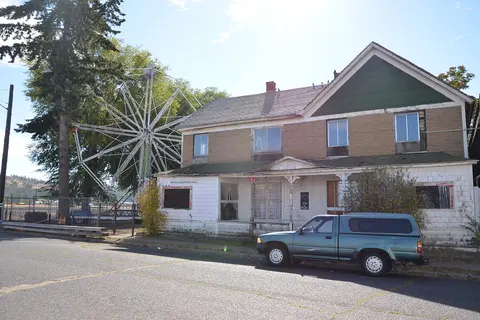
Your furnace is fine but you have no AC: AC or heat pump?
Furnace fine, no cooling, and a new outdoor unit is on the table.
- Central AC
- You want only summer cooling, and a bid shows a clear gap
- Heat pump, furnace stays
- You want cooling plus a second heat source for mild days
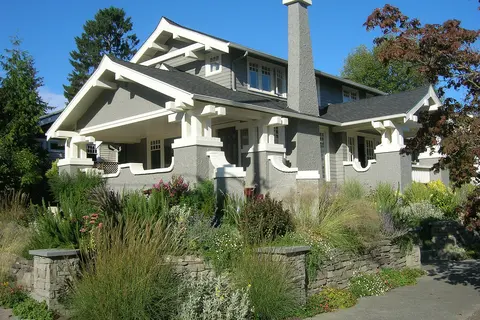
Your AC died: replace it, or install a heat pump instead?
The AC just failed, and the replacement could also heat.
- New central AC
- Houses with a sound furnace and no wish to change their heating
- Heat pump in its place
- Houses wanting cooling plus heat from one outdoor unit
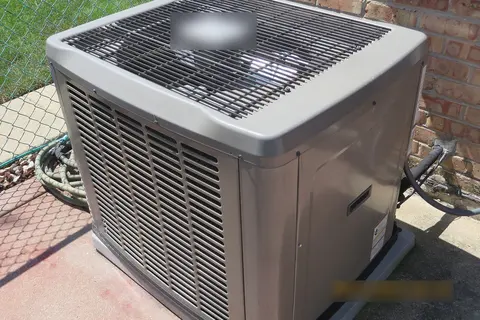
Should you repair your furnace or AC, or replace it?
Age is a prompt, and the ducts may be the real trouble.
- Repair it
- Younger equipment, one clear fault, sound ducts
- Replace it
- Older equipment, repeat faults, or rooms that never felt right
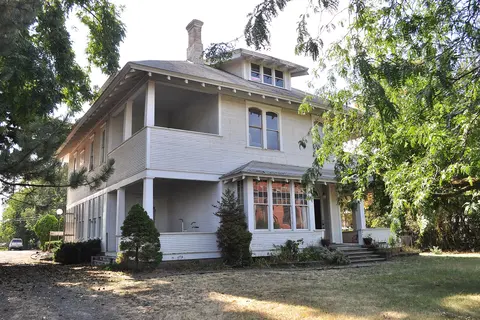
Should you seal your ducts or replace them?
Leaks can cost more comfort than an old furnace does.
- Seal and insulate
- Ducts that are whole but leak at joints and seams
- Replace the runs
- Torn, crushed or disconnected runs, or a new system that needs different ducts
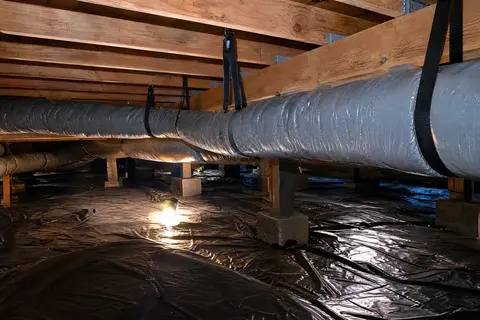
Gas or electric heat for a new Washington house?
What Washington's code favors if you are building, not replacing.
- Heat pump
- Most new builds, west side especially
- Heat pump with gas back-up
- East-side builds with gas at the lot
- Gas furnace
- Builders with gas service confirmed and credits found elsewhere
What has changed for gas houses?
Three things, and gas service ending is not one of them.
- Price. EIA's annual Washington residential gas price went from $12.72 per thousand cubic feet in 2024 to $17.62 in 2025. On our running-cost table, a 95% furnace comes to $12.26 per million Btu delivered at 2024 prices, or about $17.00 if the 2025 jump is carried through. A Puget Sound ductless unit comes to $11.43 at 2024 prices, or about $14.10 at EIA's August 2026 rate, which is one summer month. All of that is our arithmetic.
- The furnace rule. The federal minimum for non-weatherized gas furnaces is 80% AFUE, rising to 95% for those made on and after December 18, 2028.
- The law. The Supreme Court struck down Initiative 2066 in full on September 17, 2026, per the court's opinion (news-site copy). Existing customers keep gas service as far as we can find. We found no utility or state statement on what follows, and will not guess.
Is there money to switch off gas?
Very little, and it depends on income. PSE listed a $4,000 rebate for income-qualified gas customers replacing gas with a heat pump (archived copy, May 2026), so confirm with the utility. Its heating page showed no gas equipment rebates (archived copy, July 2026). Most other utility offers on the utility comparison require existing electric heat. All of this is as of November 2026.
We found no official installed-price figure for a furnace or a heat pump. Ask for written bids that separate equipment, labor, electrical work, permits and duct changes. ENERGY STAR says a dual-fuel setup can come "for a modest extra cost over an AC system" if the furnace is relatively new, so ask for that line too.
What safety habits go with a gas furnace?
A yearly check, working alarms and one rule about gas smells. DOH says gas appliances should be checked yearly by a trained professional. CDC wants CO detectors near every sleeping area. If a CO alarm sounds, get everyone out first and call 911 from outside.
If you smell gas, leave first. Do not touch switches or plugs, and do not use a phone inside. From outside and away from the house, call 911 and your gas utility: PSE 1-888-225-5773 (archived copy, September 2026), Cascade Natural Gas 888-522-1130 (archived copy, December 2025), Avista 800-227-9187 (archived copy, October 2025) or NW Natural 800-882-3377. Confirm with the utility and save its number before you need it. Stay out until told it is safe.
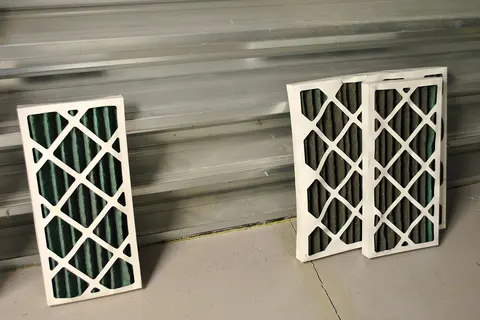
Replacing a furnace, the gas lines and the venting all belong to a licensed contractor. Your part is changing filters and checking a breaker or switch if it will not start. Verify the contractor on L&I's tool.
Decide next
Dual fuel or all electric: which heat pump setup fits your house?
- Dual fuel (heat pump plus furnace)
- Houses with a gas furnace that is still relatively new
- All electric (heat pump plus electric back-up)
- Houses with no gas, or a furnace at the end of its life
Should you repair your furnace or AC, or replace it?
- Repair it
- Younger equipment, one clear fault, sound ducts
- Replace it
- Older equipment, repeat faults, or rooms that never felt right

Where this came from
- ENERGY STAR: when to replace, checked November 3, 2026.
- ENERGY STAR: air-source heat pumps, checked November 3, 2026.
- EIA: Washington natural gas prices, annual, checked November 3, 2026.
- EIA: SEDS Washington residential prices, checked November 3, 2026.
- 10 CFR 430.32: energy conservation standards, checked November 3, 2026.
- Climate Solutions v. State of Washington, opinion (news-site copy), checked November 3, 2026.
- PSE: gas to heat pump rebate, archived copy May 2026, checked November 3, 2026.
- PSE: heating rebates, archived copy July 2026, checked November 3, 2026.
- PSE: detect a leak, archived copy September 2026, checked November 3, 2026.
- Cascade Natural Gas: emergency information, archived copy December 2025, checked November 3, 2026.
- Avista: natural gas safety, archived copy October 2025, checked November 3, 2026.
- NW Natural: smell natural gas, checked November 3, 2026.
- Washington DOH: carbon monoxide, checked November 3, 2026.
- CDC: carbon monoxide, checked November 3, 2026.
- Washington L&I: verify a contractor, checked November 3, 2026.